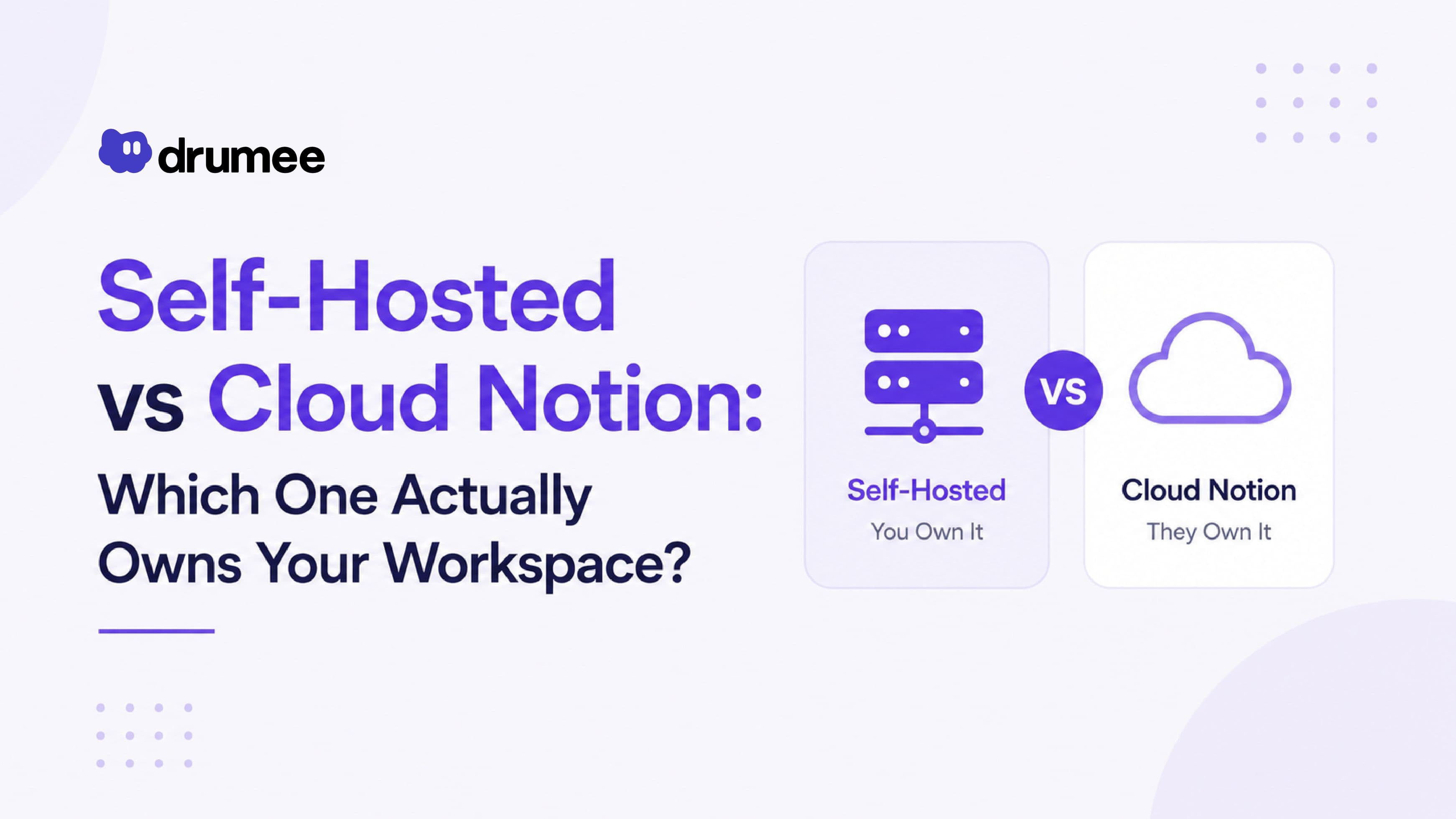
Cloud Notion gives you access to a workspace on infrastructure you don't own, at prices you can't control. This is a practical comparison of Notion vs self-hosted for teams asking who actually owns their workspace in 2026.
Google Drive gives you a billion-user default and a Gemini AI system scanning your files without asking. This is a practical guide to Google Drive alternatives for privacy-first teams what the governance gap actually is and what resolves it in 2026.
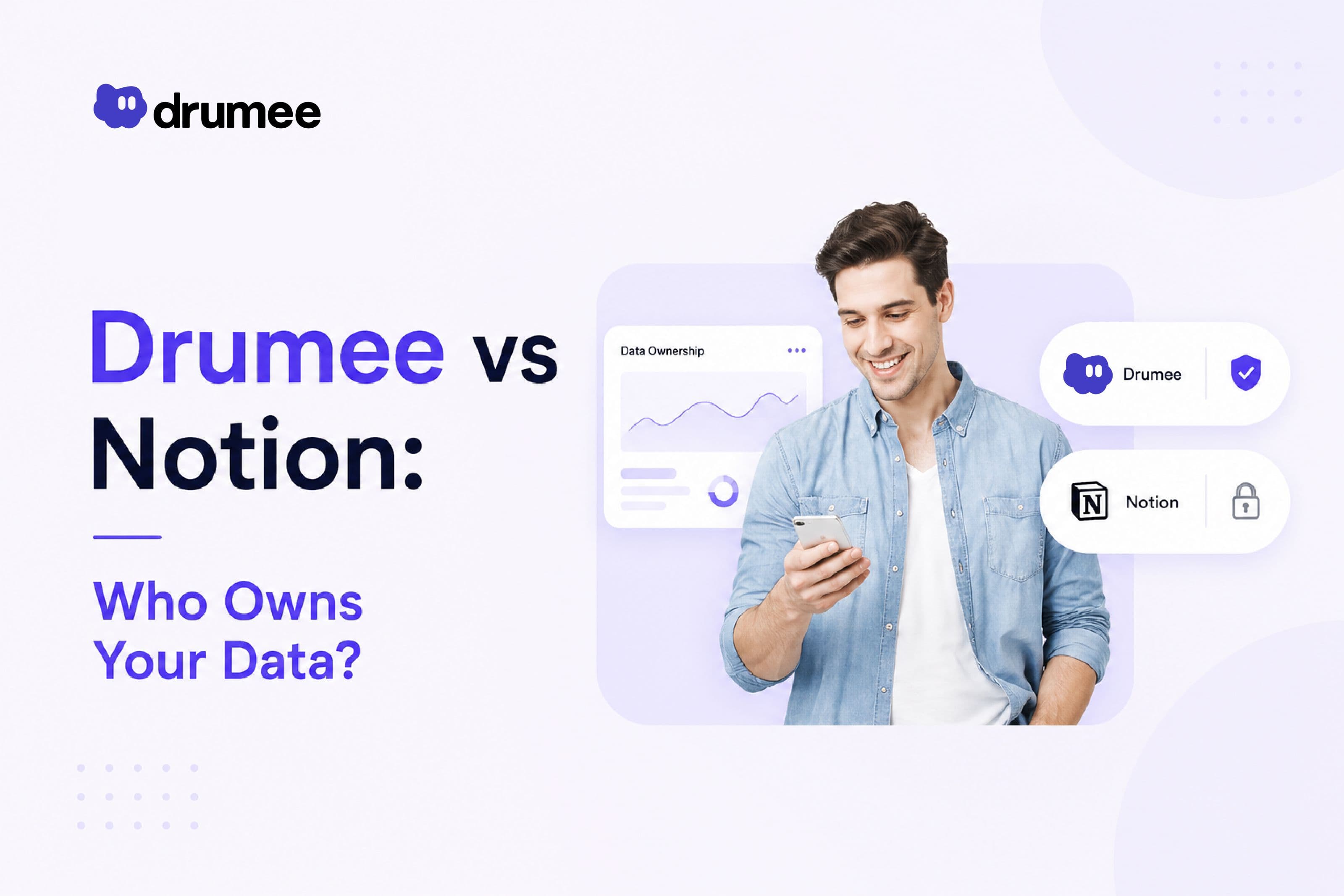
Notion says you own your data but does the infrastructure agree? This comparison of Drumee vs Notion examines data governance, AI processing, self-hosting architecture, and what genuine data ownership requires in 2026.
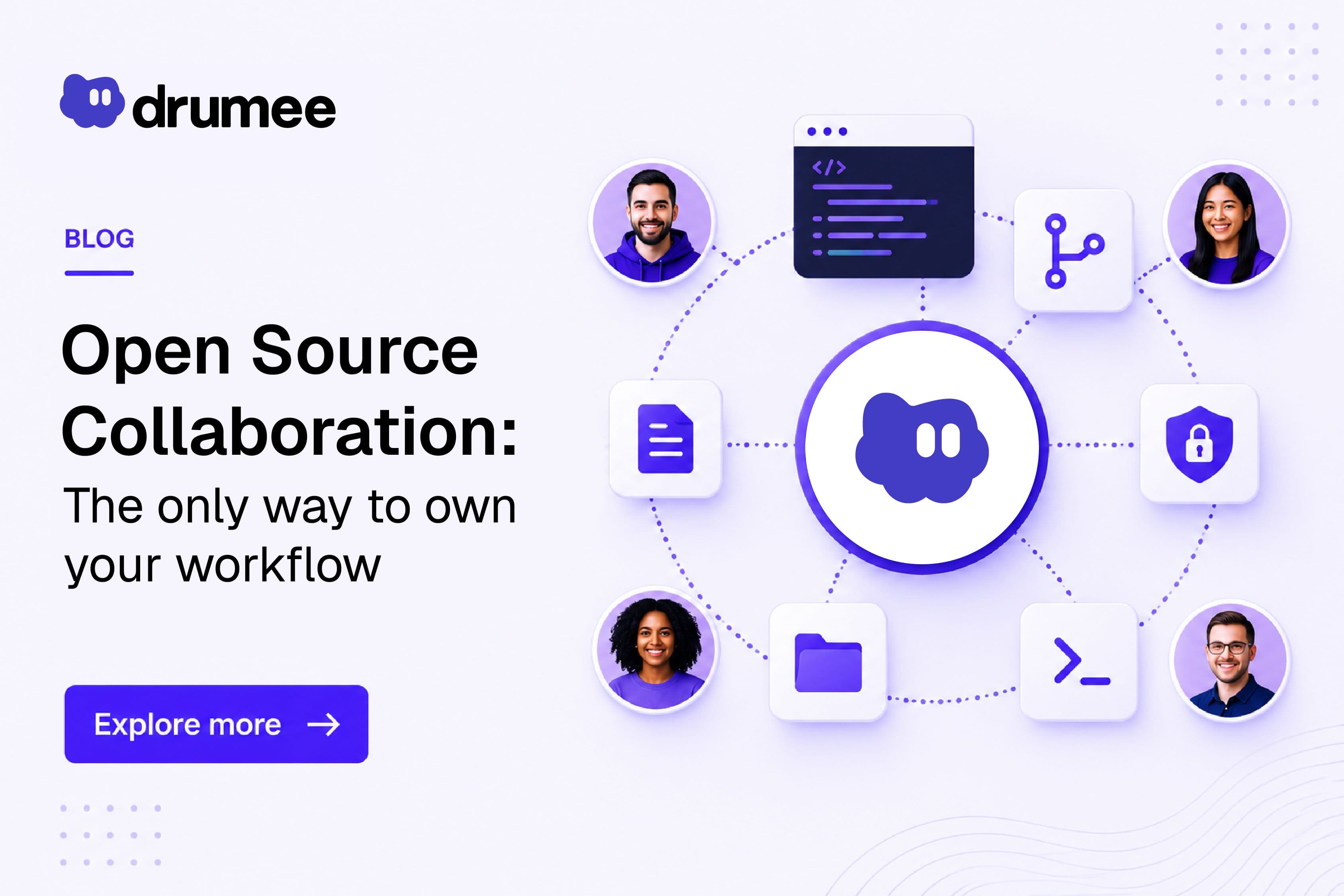
Open source collaboration is the only model that delivers genuine workflow ownership. Learn why 55% of organizations now cite vendor lock-in as a primary motivation for open source adoption, and what sovereign infrastructure means in practice for 2026.
SaaS vendor lock-in reduces your leverage, inflates costs, and limits your options. This practical guide covers the audit, contract negotiation, open standards strategy, and self-hosted infrastructure approach to avoiding it in 2026.
SaaS vendor lock-in is costing organizations more than they realize. Learn how integration depth, data gravity, and AI processing are making switching harder, and what sovereign infrastructure does differently in 2026.
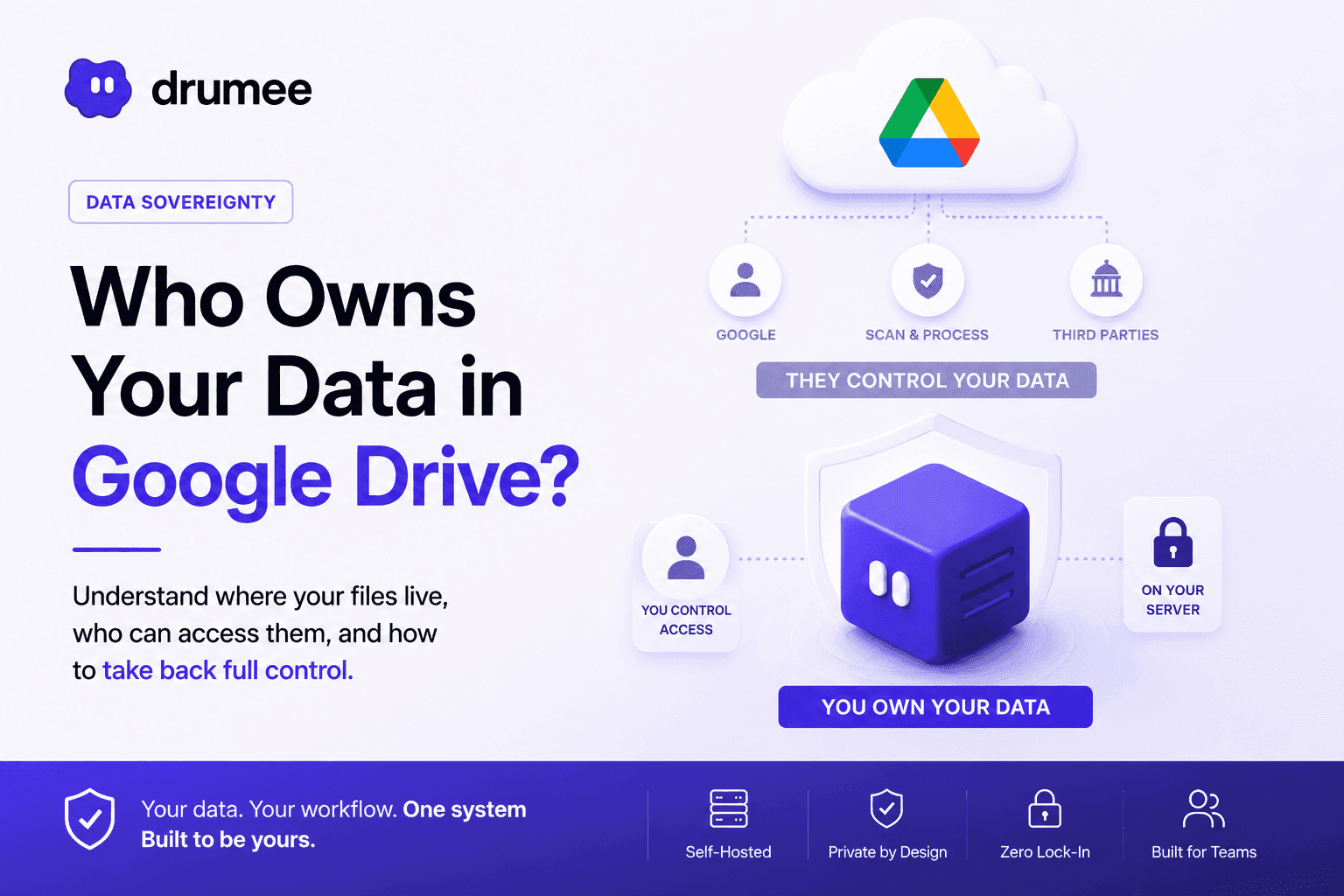
Who owns your data in Google Drive? The legal answer differs from the operational reality. Learn what Google's terms, AI integration, and GDPR enforcement mean for your team's data governance in 2026.
What is a team workspace without SaaS dependency? Learn how sovereign self-hosted infrastructure reduces fragmentation, governance risk, and SaaS cost compounding and how teams are making the transition in 2026.